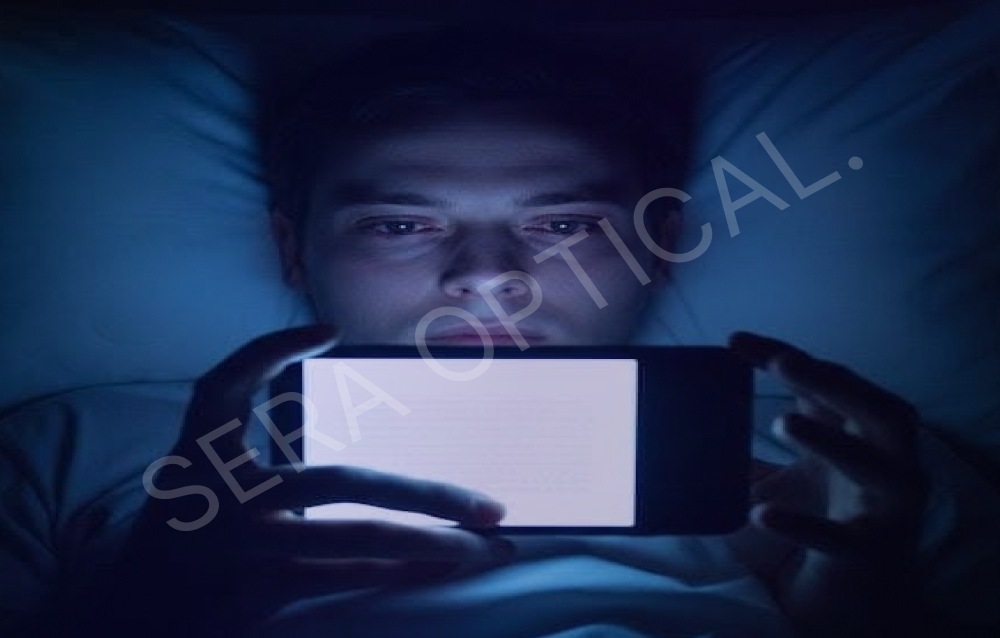

Discover digital eye strain solutions to protect your eyes, reduce discomfort, and enjoy healthier screen time with simple tips.
Digital Eye Strain Solutions
Digital eye strain is a growing concern in today’s screen‑heavy lifestyle. Simple solutions like following the 20‑20‑20 rule, adjusting screen brightness, using blue light filtering lenses, and ensuring proper posture can significantly reduce discomfort. Regular eye check‑ups and taking short breaks help maintain long‑term eye health, while ergonomic setups create a more comfortable digital environment.
In today’s digital world, screens are everywhere—smartphones, laptops, tablets, and televisions. While technology makes life easier, prolonged screen use can put significant strain on our eyes. Two effective and simple solutions to protect your vision are Blue Light Filtering Glasses and the 20-20-20 Rule. Together, they can help reduce eye discomfort and improve overall eye health.
What Is Blue Light?
Blue light is a high-energy visible (HEV) light emitted by digital screens and LED lighting. Although some blue light exposure is natural and beneficial during the day, excessive exposure—especially from screens—can lead to eye strain and sleep disturbances.
Blue Light Filtering Glasses
1. Sleep & Circadian Rhythm Support
- Strongest proven benefit: Wearing them in the evening reduces blue light exposure that suppresses melatonin.
- Helps regulate your sleep‑wake cycle, improving sleep duration and quality.
- Amber or orange‑tinted lenses are most effective for nighttime use.
2. Visual Comfort
- May provide subjective comfort during prolonged screen use by reducing glare and brightness intensity.
- Some users report fewer headaches or eye fatigue, though scientific evidence shows no significant reduction in digital eye strain symptoms compared to regular lenses.
3. Lifestyle Convenience
- Useful for people spending long hours on computers, smartphones, or tablets.
- Non‑prescription versions are widely available, making them accessible for everyday use.
Trade‑Offs & Limitations
- Color distortion: Stronger amber/orange filters shift colors toward yellow, which can be problematic for design or color‑critical work.
- Digital eye strain: Most discomfort comes from reduced blinking, poor ergonomics, and glare—not blue light itself. Glasses alone won’t fix these issues.
- Placebo effect: Some reported benefits may stem from increased awareness of healthy screen habits (like the 20‑20‑20 rule).
Blue light filtering glasses are specially designed to reduce the amount of harmful blue light reaching your eyes. They are ideal for people who spend long hours in front of digital devices.
Key Benefits:
- Reduces digital eye strain: Helps minimize tired, dry, and irritated eyes.
- Improves visual comfort: Makes screen viewing more comfortable for long periods.
- Supports better sleep: Reduces blue light exposure that can interfere with melatonin production and disrupt sleep.
- Suitable for daily use: Can be worn while working, studying, or browsing on digital devices.
Blue light filtering glasses are a smart choice for students, office workers, and anyone with a screen-focused lifestyle.
Top 10 Digital Eye Strain Solutions:
1. Follow the 20‑20‑20 Rule
- Every 20 minutes, look at something 20 feet away for 20 seconds.
- Helps relax focusing muscles and reduce fatigue.
- Enhanced version: add 20 deliberate blinks during the break to re‑lubricate eyes.
2. Optimize Screen Position & Distance
- Keep monitor at arm’s length (20–26 inches).
- Screen center should be slightly below eye level to reduce tear evaporation.
3. Adjust Brightness & Contrast
- Match screen brightness to your environment.
- Avoid overly bright or dim displays that strain eyes.
4. Reduce Glare & Improve Lighting
- Use anti‑glare filters or reposition screens away from direct light.
- Ensure balanced ambient lighting to avoid harsh contrast.
5. Blink More Frequently
- Screen use reduces blink rate by 60% (from 15–20 blinks/min to 5–7).
- Consciously blink slowly and fully to prevent dryness.
6. Take Regular Breaks
- Every hour, step away for 5–10 minutes.
- Stretch, walk, or close eyes to reset focus.
7. Ergonomic Workspace Setup
- Maintain good posture to reduce neck and shoulder strain.
- Adjust chair height and screen angle for comfort.
8. Manage Air Quality & Humidity
- Avoid air vents blowing directly at your face.
- Use humidifiers to reduce dryness in low‑humidity environments.
9. Use Corrective Eyewear if Needed
- Ensure prescriptions are up to date.
- Consider anti‑reflective coatings for added comfort.
10. Limit Blue Light in Evenings
- While blue light is a minor factor in eye strain, reducing exposure at night helps regulate sleep.
- Use built‑in filters like Night Light (Windows) or Night Shift (Mac).
- This short break allows your eye muscles to relax and helps refresh your eyes, reducing strain caused by continuous near-focus work.
Why You Should Combine Both
Using blue light filtering glasses along with the 20-20-20 rule provides better protection than relying on just one method.
- Glasses reduce harmful blue light exposure.
- The 20-20-20 rule relaxes eye muscles and prevents fatigue.
Together, they create a balanced and effective approach to digital eye care.
Final Thoughts
Digital devices are an unavoidable part of modern life, but eye strain doesn’t have to be. By wearing Blue Light Filtering Glasses and following the 20-20-20 Rule, you can protect your eyes, improve comfort, and support healthier sleep.
For expert guidance and quality eyewear solutions, visit Sera Optical—your trusted partner in eye care and clear vision.
Sources
American Optometric Association (AOA) – Practical advice on computer vision syndrome and the 20‑20‑20 rule.
Mayo Clinic – Trusted medical insights on eye strain causes, prevention, and treatment.
Harvard Health Publishing – Research‑based articles on blue light, screen use, and eye comfort.
National Eye Institute (NEI) – Government resource on eye health, including digital strain prevention.
Cleveland Clinic – Detailed guides on symptoms, ergonomic adjustments, and lifestyle solutions.
All About Vision – Consumer‑friendly explanations of digital eye strain and eyewear options.
American Academy of Ophthalmology (AAO) – Professional recommendations for reducing screen‑related eye discomfort.