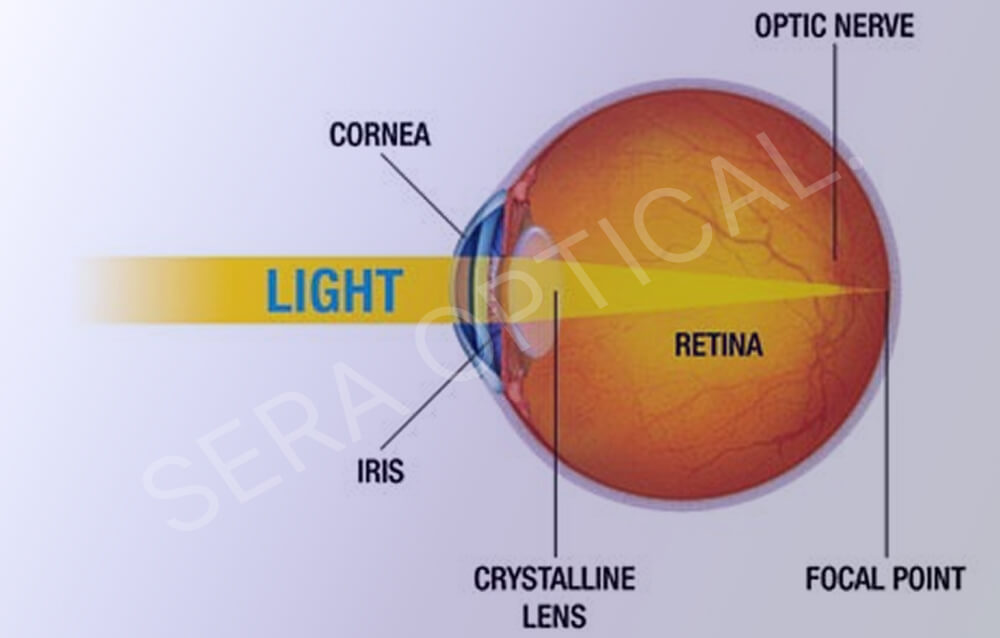
Good vision is not maintained by eye care alone—nutrition plays a vital role in protecting eye health. What you eat every day directly affects how well your eyes function now and in the future. Scientific studies show that a diet rich in essential vitamins, minerals, and antioxidants can significantly reduce the risk of cataracts, glaucoma, dry eyes, and age-related macular degeneration (AMD). Choosing the right Eye Foods can strengthen your vision from within and help prevent long-term damage.
At SERA Optical, we believe that clear vision begins with both professional eye care and healthy lifestyle choices. Proper eye examinations combined with a diet full of nutrient-rich Eye Foods create a strong foundation for lifelong visual clarity. This guide explains why food matters for eye health, which nutrients are essential, and how to include eye-friendly foods in your daily diet for maximum protection.
Many people often ask: What is the best food for your eyes? or What food is good for eyes? The truth is, there isn’t just one miracle food. Instead, a balanced combination of powerful Eye Foods—including leafy greens, colorful fruits, omega-3-rich fish, nuts, and whole grains—works together to provide the best long-term protection for your vision. When consumed consistently, these Eye Foods help reduce inflammation, improve retinal health, and support clear, comfortable eyesight at every stage of life.
Why Is Food Important for Eye Health?
Eye health does not depend only on age or genetics—diet is a major contributing factor. The eyes are constantly exposed to light, oxygen, and environmental stress, which can damage eye cells over time. That’s why choosing the right Eye Foods every day is essential for long-term visual protection.
A nutrient-rich diet filled with powerful Eye Foods:
Protects the eyes from oxidative damage
Supports retinal and optic nerve function
Slows age-related vision loss
Maintains tear production and eye comfort
Proper nutrition helps preserve vision for the long term. Including antioxidant-rich Eye Foods in your daily meals can significantly reduce the risk of common eye diseases.
If you frequently search for what foods are good for eye healthfor, the answer lies in adding more natural Eye Foods that support retinal health, improve blood circulation to the eyes, and protect against inflammation. Leafy greens, colorful vegetables, fatty fish, nuts, and seeds are some of the most effective Eye Foods for maintaining clear and comfortable vision.
Essential Nutrients for Healthy Eye Foods
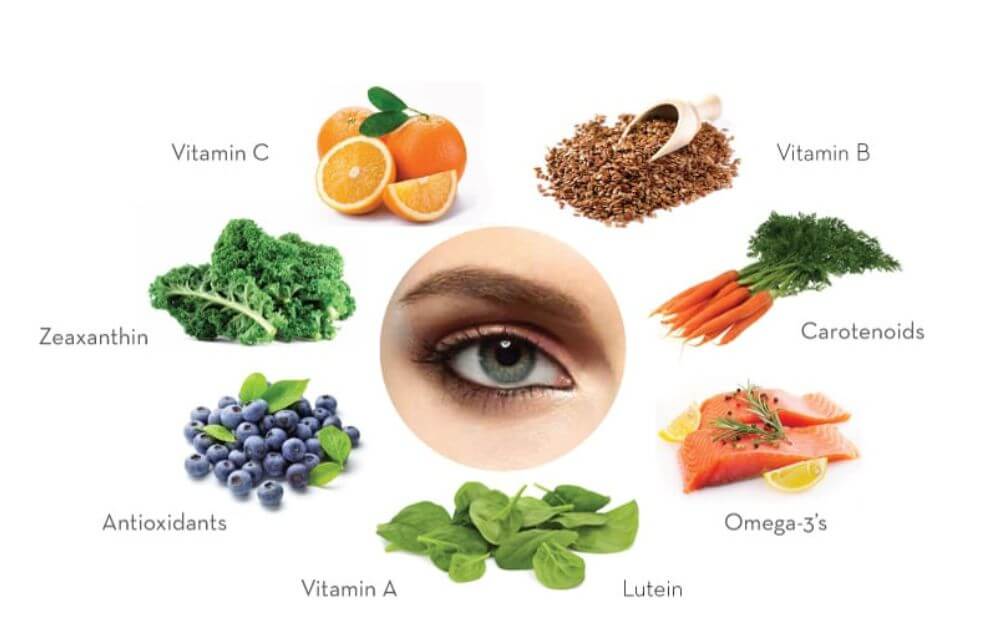
1. Vitamin A-Rich Foods
Sources:
Carrots
Sweet potatoes
Spinach
Pumpkin
Benefits:
Prevents night blindness
Keeps the cornea healthy
Supports low-light vision
Vitamin A is crucial for maintaining clear vision, especially in dim conditions. It is one of the most important nutrients when discussing what foods are good for your eyes.
2. Vitamin C and Vitamin E
Sources:
Citrus fruits (oranges, lemons)
Strawberries
Almonds
Sunflower seeds
Benefits:
Powerful antioxidants
Reduce the risk of cataracts
Protect eye cells from aging damage
These vitamins help slow down age-related eye degeneration and are considered essential Eye Foods for long-term visual clarity.
3. Lutein and Zeaxanthin
Sources:
Spinach
Kale
Broccoli
Egg yolk
Benefits:
Protect the retina from harmful light
Reduce the risk of macular degeneration
Improve visual clarity
Lutein and zeaxanthin act as natural filters against blue and ultraviolet light. In today’s digital world, these nutrients are especially important for people exposed to screens daily.
4. Omega-3 Fatty Acids
Sources:
Salmon
Tuna
Sardines
Walnuts
Flaxseeds
Benefits:
Reduce dry eye symptoms
Support retinal function
Improve tear quality
Omega-3 is especially important for people who use digital screens frequently. Many eye specialists also recommend omega-3–based eye food supplement options for individuals who cannot consume enough fish in their regular diet.
5. Zinc
Sources:
Pumpkin seeds
Lentils and beans
Beef
Whole grains
Benefits:
Helps transport vitamin A to the retina
Improves night vision
Supports immune defense of the eyes
Zinc deficiency may increase the risk of vision problems. It plays a key role in maintaining strong retinal health.
Are Eye Food Supplements Necessary?
While natural foods are the best source of nutrients, some individuals may benefit from an eye food supplement, especially:
- Older adults
- People with poor dietary habits
- Patients with early macular degeneration
- Individuals with chronic dry eyes
However, supplements should never replace a balanced diet. Always consult an eye care professional before starting any supplement.
Common Question: What Is the Best Food for Your Eyes?
Instead of one single answer, eye experts recommend a balanced combination of nutrient-dense Eye Foods that work together to protect and nourish your vision.
Leafy green vegetables
Colorful fruits
Fatty fish
Nuts and seeds
Whole grains
Each of these categories contains powerful vitamins, minerals, and antioxidants that support different parts of the eye. For example, leafy greens are rich in lutein and zeaxanthin, fatty fish provide omega-3 fatty acids, and colorful fruits deliver vitamin C and other protective antioxidants. When combined, these Eye Foods help reduce inflammation, improve retinal function, and protect against age-related eye conditions.
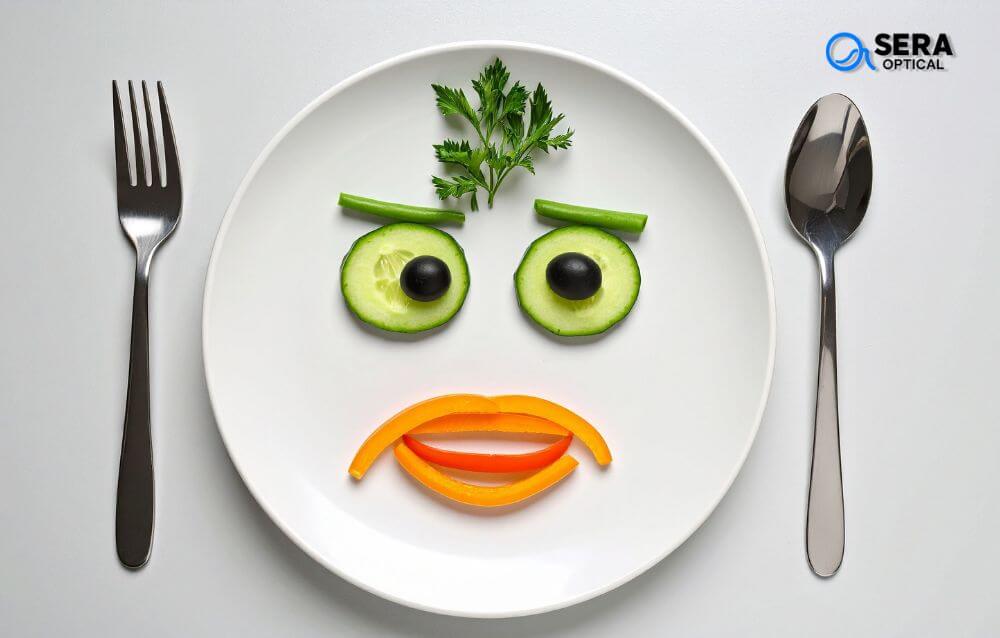
So when someone asks, What food is good for the eyes? — The real answer is not just one item, but a colorful, balanced plate filled with a variety of nutrient-rich Eye Foods that support overall eye health and long-term visual clarity. Consistently including these Eye Foods in your daily diet can make a significant difference in maintaining sharp, comfortable vision for years to come.
Risks and Warnings
Poor dietary habits can negatively affect eye health:
Malnutrition increases the risk of eye diseases
Excessive processed and fatty foods harm eye circulation
Smoking and alcohol consumption accelerate vision loss
Lack of hydration worsens eye dryness and irritation
Healthy eating is a preventive tool—not a replacement for eye exams, but a powerful support system.
Ignoring proper nutrition may increase the likelihood of developing cataracts, glaucoma, and retinal damage over time.
Daily Habits to Support Eye Nutrition
- Eat a balanced diet every day
- Include colorful fruits and vegetables
- Consume fish at least twice a week
- Add nuts and seeds to your meals
- Drink enough water to keep eyes hydrated
Consistency is the key to long-term eye health.
Professional Eye Care Still Matters
Even with the best diet, regular eye checkups are essential. Nutrition supports eye health, but professional care detects problems early and ensures accurate vision correction.
👓 At SERA Optical, we combine expert eye examinations with personalized lifestyle guidance to protect your vision.
Why Choose SERA Optical?
- Professional and accurate eye testing
- Personalized vision and lens solutions
- Guidance for long-term eye health
- Commitment to clear, comfortable vision
Your eyes deserve care from both the inside and outside.
Conclusion
Healthy eyes start on your plate. A diet rich in vitamins A, C, E, zinc, lutein, and omega-3 fatty acids plays a critical role in protecting vision and preventing eye diseases.
Combine proper nutrition with regular eye examinations for lifelong visual clarity.
Visit SERA Optical for trusted eye care, expert guidance, and a clearer future.
Sources:
- American Academy of Ophthalmology – 36 Fabulous Foods to Boost Eye Health
- Cleveland Clinic – Best Foods for Eye Health