The human eye is an extraordinary sensory organ that allows us to see, recognize, and interact with the world around us. To fully appreciate vision, it is important to understand how eyes work in harmony with the brain and nervous system. Many people see clearly every day without thinking about how their eyes work, yet this process involves a highly advanced and perfectly coordinated biological system.
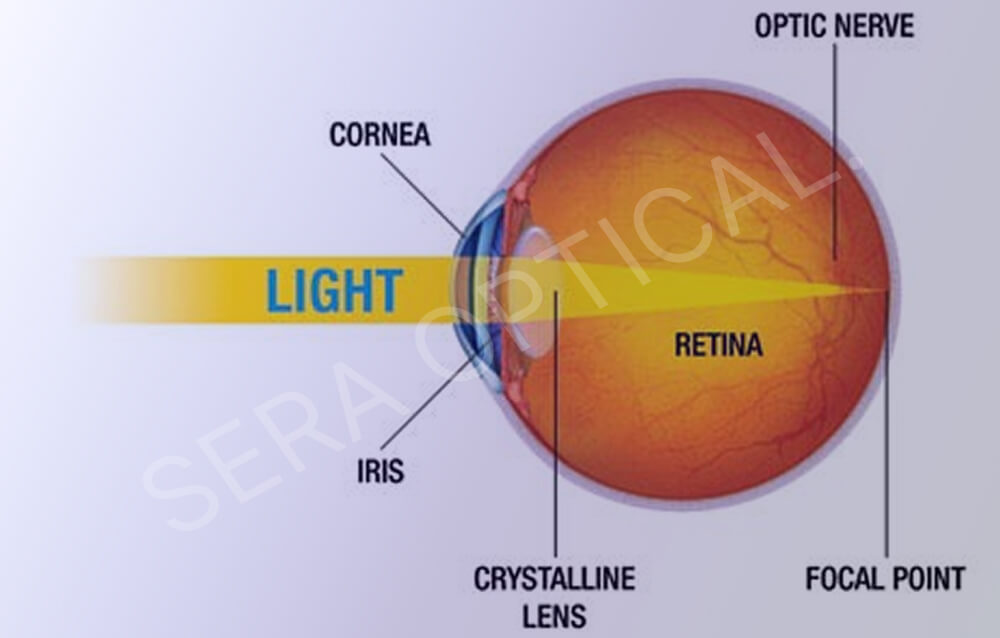
Vision is not a simple or single-step action—it requires the precise coordination of multiple eye structures, including the cornea, pupil, lens, retina, and optic nerve. Each part has a specific role in ensuring that eyes work efficiently and accurately. From the moment light enters the eye, it is carefully focused, adjusted, and converted into electrical signals. These signals are then transmitted to the brain, where they are interpreted as recognizable images.
The way our eyes work depends on smooth communication between the eye and the brain. If any part of this system becomes weak or damaged, vision can become blurred or distorted. Understanding how eyes function not only increases awareness but also highlights the importance of regular eye care and professional examinations.
Many people often ask, how does the eye work? The answer lies in a beautifully coordinated biological system where light, nerves, and brain signals work together in perfect harmony. Understanding how the eye works helps us appreciate the complexity of human vision and the importance of proper eye care.
At SERA Optical, we believe that understanding eye how it works helps you protect your vision better. This article explains the function of the human eye step by step, highlights the role of each major eye part, and shares essential eye care awareness tips.
In Simple Terms: What Does the Eye Do?
In short, the eye receives light, focuses it onto the retina, converts it into electrical signals, and sends those signals to the brain through the optic nerve. The brain then interprets these signals as images—allowing us to see clearly.
So if someone asks, how does the eye work in simple language? — it works by turning light into signals and signals into vision.
This entire Eyes work process happens within milliseconds, allowing us to instantly recognize colors, faces, shapes, and movement.
Step-by-Step Function of the Human Eye Works
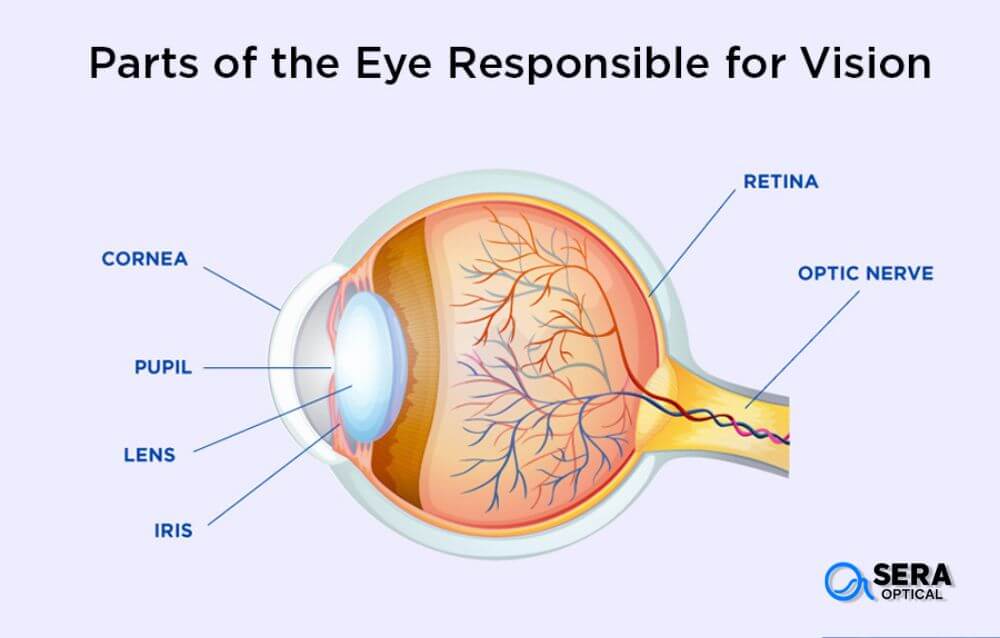
1. Light Entry Through the Cornea
Light first enters the eye through the cornea.
- The cornea is a transparent, dome-shaped outer layer
- It bends (refracts) incoming light
- Plays a major role in initial focusing
A healthy cornea is essential for clear vision. If the cornea is damaged or irregular, the work eye process of focusing light becomes distorted, causing blurred or unclear vision.
2. Pupil and Iris: Controlling Light Entry
After passing through the cornea, light enters the eye through the pupil.
- The pupil is the central opening of the eye
- The iris, the colored part of the eye, controls pupil size
- In bright light, the pupil becomes smaller
- In dim light, the pupil enlarges
This automatic adjustment ensures the right amount of light enters the eye at all times. Without this regulation, vision would either be too bright or too dark.
This stage is another critical part of how the eye works, as balanced light control protects the retina from damage.
3. The Lens: Fine Focusing
Light then travels through the lens.
- The lens works together with the cornea
- It fine-tunes the focus of light onto the retina
- The lens changes shape to see near and distant objects clearly (accommodation)
When the lens loses clarity or flexibility, vision becomes blurred—as seen in cataracts or presbyopia.
👓 At SERA Optical, accurate lens prescriptions help restore sharp and comfortable vision.
4. Retina: Converting Light into Signals
The retina, located at the back of the eye, is a light-sensitive layer.
- Contains special photoreceptor cells called rods and cones
- These cells convert light into electrical signals
Rods
- Enable vision in low-light conditions
Cones
- Allow color vision and detailed sight
Damage to the retina can lead to permanent vision loss if not treated early.
5. Optic Nerve and the Brain
The electrical signals produced by the retina travel through the optic nerve.
- The optic nerve carries visual information to the brain
- The brain’s visual cortex processes these signals
- The brain interprets them as images
This is how we perceive shapes, colors, depth, and movement.
🧠 Vision is not just about the eyes—the brain plays a vital role.
How Vision Works with Eyeglasses
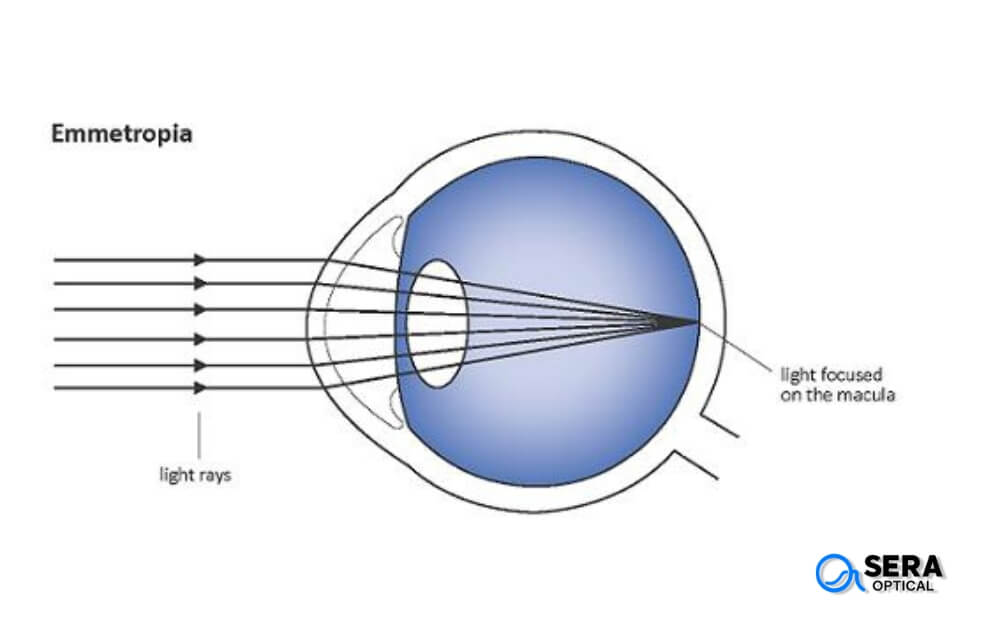
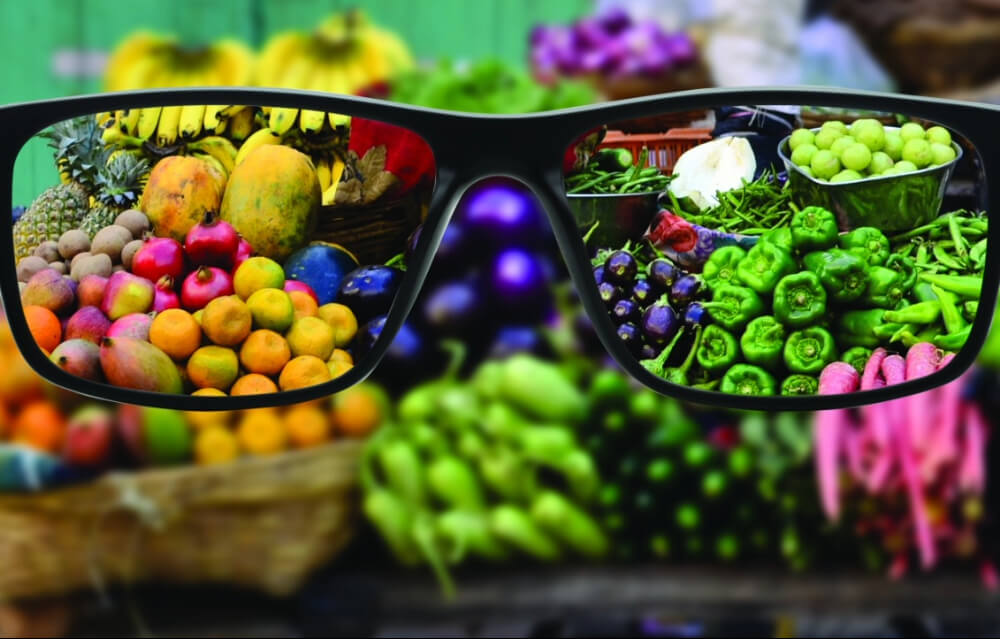
When refractive errors such as myopia, hyperopia, or astigmatism occur, light does not focus properly on the retina. This disrupts the natural Eye work system.
Corrective lenses, commonly known as glasses, adjust the way light enters the eye. Properly prescribed vision works eye glasses help guide light to focus accurately on the retina.
This improves:
- Clarity
- Comfort
- Reading ability
- Driving safety
- Screen visibility
Understanding how the eye works helps patients realize why accurate prescriptions are essential.
Major Parts of the Eye and Their Functions
| Eye Part | Function |
|---|---|
| Cornea | Allows light entry and initial focusing |
| Iris | Controls the amount of light entering |
| Pupil | Pathway for light |
| Lens | Focuses light onto the retina |
| Retina | Converts light into electrical signals |
| Optic Nerve | Transmits signals to the brain |
| Brain | Interprets signals as images |
Risks and Eye Health Awareness
Problems in any part of the visual system can affect eyesight:
- Corneal or lens issues can cause blurred vision (e.g., cataracts)
- Retinal damage may lead to permanent vision loss
- Optic nerve disorders prevent signals from reaching the brain
Many of these problems develop gradually without early symptoms.
Essential Eye Care Tips from SERA Optical
To keep your visual system healthy:
- Schedule regular eye examinations
- Protect your eyes from UV rays with quality sunglasses
- Eat a balanced diet rich in:
- Vitamin A
- Vitamin C
- Vitamin E
- Omega-3 fatty acids
- Practice safe screen habits and take frequent breaks
Why Choose SERA Optical?
- Professional and accurate eye testing
- Expert guidance on lenses and vision correction
- Personalized eye care solutions
- Commitment to long-term eye health
At SERA Optical, we focus not just on vision correction—but on understanding and protecting how your eyes work.
Conclusion
The function of the human eye is a remarkable process involving light entry, focusing, signal conversion, and brain interpretation. Each structure plays a vital role in creating clear vision.
Understanding how your eyes work empowers you to care for them better.
Visit SERA Optical for professional eye examinations, precision lenses, and trusted vision care—because healthy vision begins with knowledge and care.
Sources:
- National Eye Institute – How the Eyes Work
- Merck Manual – Structure and Function of the Eyes
- Britannica – Human Eye Anatomy and Function