
Introduction
The eye is not just a physical organ for vision—it holds powerful symbolic meaning in human language, culture, and emotion. Across civilizations, eyes have been used in metaphors, idioms, proverbs, expressions of love, warnings, threats, and moral authority. These expressions reflect how deeply eyes are connected to human identity, emotions, and social interaction.
From love and care to fear, jealousy, power, and control, the eye has become one of the most expressive symbols in language. This article explores how eye-related expressions shape culture, communication, and social behavior, and why the eye remains one of the strongest metaphors in human expression. Understanding the concept of the cultural eye helps us explore how different societies interpret vision, eye contact, and emotional expression through language.
In modern society, the cultural meaning of eyes also connects with practical aspects of vision and eye health. People depend on Eyeglasses and professional eye care services from a best optical shop to maintain clear vision. But beyond physical eyesight, the idea of a cultural eye reflects how humans use vision symbolically to communicate emotions, beliefs, and social power.
Why Eyes Hold Such Deep Cultural Importance
Eyes are often described as the window to the soul. They are the first point of emotional connection between people and play a key role in:
Expressing emotions
Establishing trust or dominance
Communicating unspoken intentions
Reflecting inner thoughts
Because vision is one of the most vital human senses, anything associated with the eyes naturally carries intense emotional and symbolic weight. Across cultures, eye contact, gaze direction, and facial expression communicate social messages that words sometimes cannot express.
For example, the idea of the cultural eye appears strongly in discussions about asian culture and eye contact, where maintaining or avoiding eye contact can signal respect, humility, or authority depending on the situation. These subtle differences show how culture shapes the way people use their eyes in communication.
Types of Eye-Related Expressions in Language and Culture
1. Threats and Fear-Based Expressions
1. Threats and Fear-Based Expressions
Phrases such as:
“I will take your eyes out”
“I will break your eyes”
are commonly used in many cultures as verbal threats, not literal intentions.
Cultural Meaning
Targeting the eye symbolizes attacking a person’s most precious sense
These expressions represent power, anger, and intimidation
Although violent in meaning, they are often used figuratively to express rage or dominance
Such language highlights how deeply eyes are associated with human vulnerability and fear.
From a cultural eye perspective, these expressions demonstrate how societies view eyesight as one of the most valuable human abilities. Losing vision symbolizes vulnerability, which is why threats related to the eyes are often emotionally powerful.
2. Expressions of Love, Care, and Emotional Attachment
In contrast to threats, eyes are also used to express the deepest forms of affection.
Common expressions include:
“Apple of my eye” – someone extremely dear
“Lost in your eyes” – deep admiration or love
“Precious as my eyes” – ultimate care and protection
Emotional Significance
Eyes represent trust and emotional intimacy
Protecting someone “like one’s eyes” shows unconditional love
Such phrases strengthen emotional bonds and relationships
The eye becomes a symbol of emotional value and human connection.
In many cultures, calling someone the “apple of my eye” expresses the highest level of affection. These emotional expressions reinforce the cultural eye concept, showing how vision and emotional attachment are connected in human psychology.
Emotional Significance
- Eyes represent trust and emotional intimacy
- Protecting someone “like one’s eyes” shows unconditional love
- Such phrases strengthen emotional bonds and relationships
The eye becomes a symbol of emotional value and human connection.
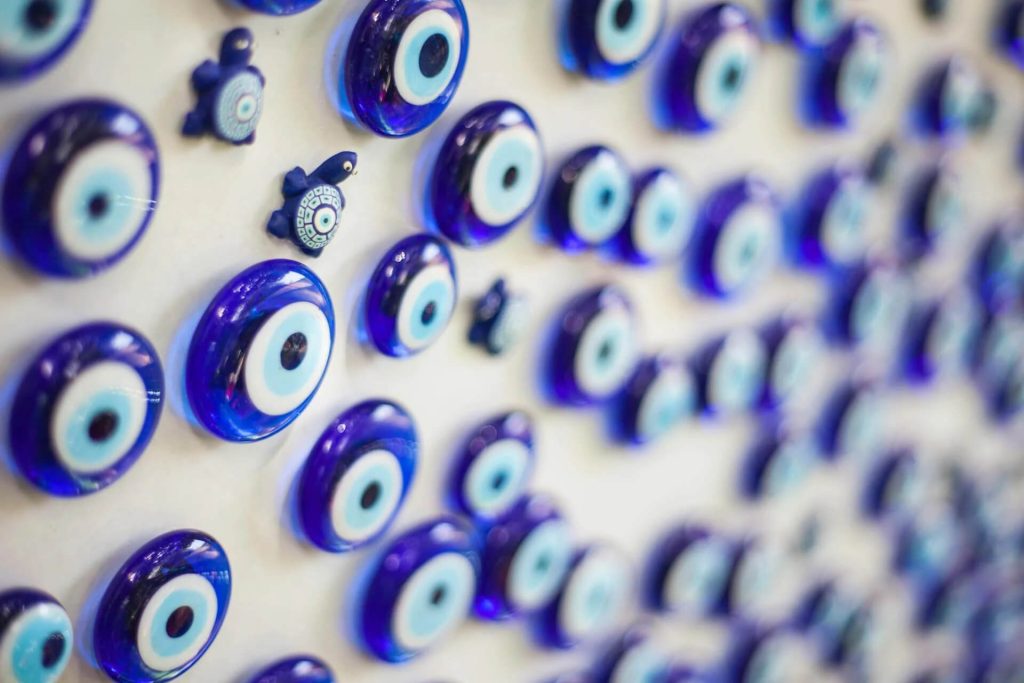
3. Eyes, Envy, and the Concept of the Evil Eye
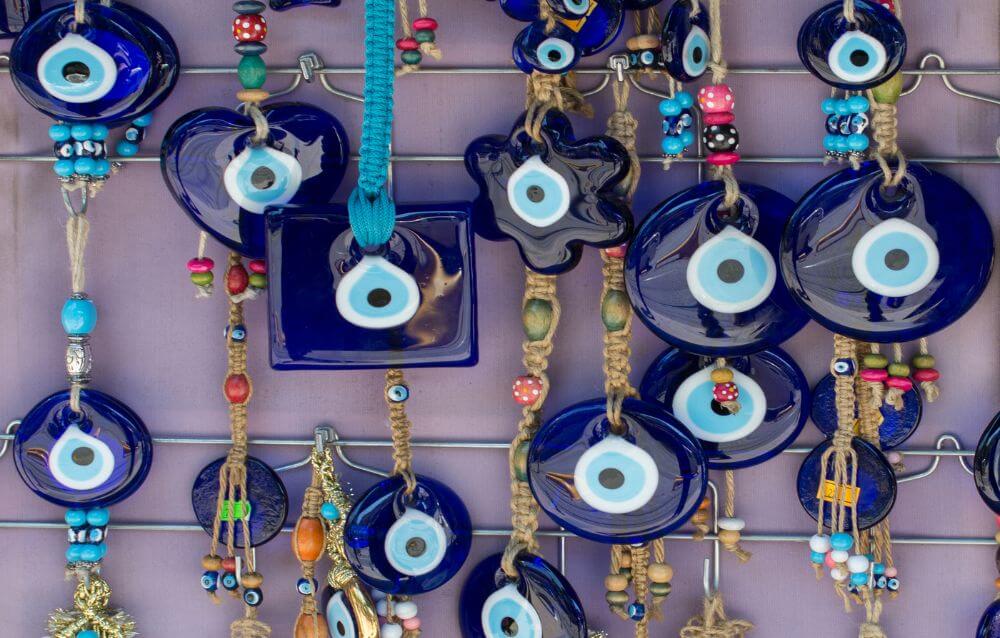
The belief in the evil eye or harmful gaze exists in many cultures.
Expressions like:
- “Evil eye”
- “Jealous eyes”
- “Beware of the eye”
are used to represent envy, jealousy, and negative intention.
Cultural Context
- Many societies believe excessive praise or envy can cause harm
- Children, beauty, success, and prosperity are thought to attract jealous eyes
- These beliefs shape social behavior and caution
Though largely symbolic, these expressions reflect human fear of jealousy and social rivalry.
4. Authority, Discipline, and Courage
Eyes are also linked to power, discipline, and bravery.
Common idioms include:
“Eye to eye” – confrontation or courage
“Show one’s eyes” – bravery
“Angry eyes” – warning or discipline
Social Meaning

Maintaining eye contact signifies confidence
Avoiding eye contact may imply submission or guilt
Eye-based expressions reinforce authority and hierarchy
Here, the eye represents control, strength, and self-respect.
The interpretation of eye contact can vary greatly depending on cultural norms. For example, discussions of asian culture and eye contact often highlight how direct eye contact may sometimes be considered disrespectful in hierarchical relationships, while in Western societies it is associated with confidence and honesty. These differences further illustrate the complexity of the cultural eye.
Social Meaning
- Maintaining eye contact signifies confidence
- Avoiding eye contact may imply submission or guilt
- Eye-based expressions reinforce authority and hierarchy
Here, the eye represents control, strength, and self-respect.
Social Risks and Awareness
1. Violent Language and Social Harm
Threat-based eye expressions normalize aggressive language, which can damage relationships and promote fear-based communication.
2. Superstition and Psychological Impact
Beliefs related to the evil eye can create unnecessary fear, anxiety, and dependence on rituals rather than rational understanding.
3. Emotional Expression as a Positive Force
On the positive side, eye-related emotional language deepens relationships and strengthens human bonds when used respectfully.
At the same time, maintaining healthy vision remains important. People often rely on Eyeglasses from a best optical shop to support clear sight and reduce eye strain in daily life. Good eye care ensures that both the physical and symbolic value of the eye remains protected.
Cultural Discussion: What Eye Expressions Really Represent
Eye-related expressions are not random. They symbolize:
Fear and survival instincts
Love and emotional attachment
Envy and social competition
Authority, courage, and control
The eye is deeply embedded in human psychology, making it a powerful cultural and linguistic symbol across societies. The idea of the cultural eye reflects how humans interpret vision not only as a biological function but also as a social and emotional language.
Across cultures—from discussions about what culture is the evil eye from to beliefs surrounding evil eye Mexican culture—the symbolism of the eye continues to shape traditions, communication styles, and cultural identity.
Research and Reference Sources
The symbolic use of eyes in language is supported by linguistic and cultural studies, including:
LangFAQ – 26 Metaphors for Eyes
Prime Magazine – Eye Idioms Around the World
Idioms Insider – Vision Beyond Sight: Symbolic Metaphors for Eyes
These sources analyze how eye-related expressions evolve across cultures and languages and how the concept of the cultural eye influences communication patterns around the world.
Final Thoughts
Eyes are more than organs of sight—they are symbols of emotion, power, fear, love, and identity. Their influence on language and culture proves how closely vision is tied to human experience.
Understanding these expressions helps us communicate more consciously, reduce harmful language, and appreciate the emotional depth behind everyday words. The concept of the cultural eye reminds us that seeing is not just a biological act—it is also a cultural experience shaped by traditions, beliefs, and social relationships.
Conclusion
The presence of eyes in language reflects humanity’s deepest emotions and social structures. Whether expressing love, issuing warnings, or asserting authority, the eye remains one of the most powerful metaphors in cultural communication.
Clear vision is not only about seeing—it is about understanding human expression beyond words. From symbolic traditions like the evil eye Mexican culture to modern eye care solutions such as Eyeglasses from the best optical shop, the eye continues to play a central role in both culture and daily life.