
The human eye is one of the most complex and fascinating organs of the body. Often compared to a biological camera, the eye works through a precise combination of layers, chambers, and functional components that allow us to see the world clearly. Understanding how the eye is structured and how each part functions is essential for maintaining long-term eye health.
At SERA Optical, we believe that informed patients make better eye care decisions. This comprehensive guide explains the classification of the Human Eye, its layers, chambers, functions, risks, and essential eye care tips to help protect your vision for life.
When discussing Understanding the Human Eye, it is important to recognize that vision is not a simple process. It involves light entry, focusing, signal conversion, and brain interpretation — all happening in milliseconds.
Classification of the Human Eye
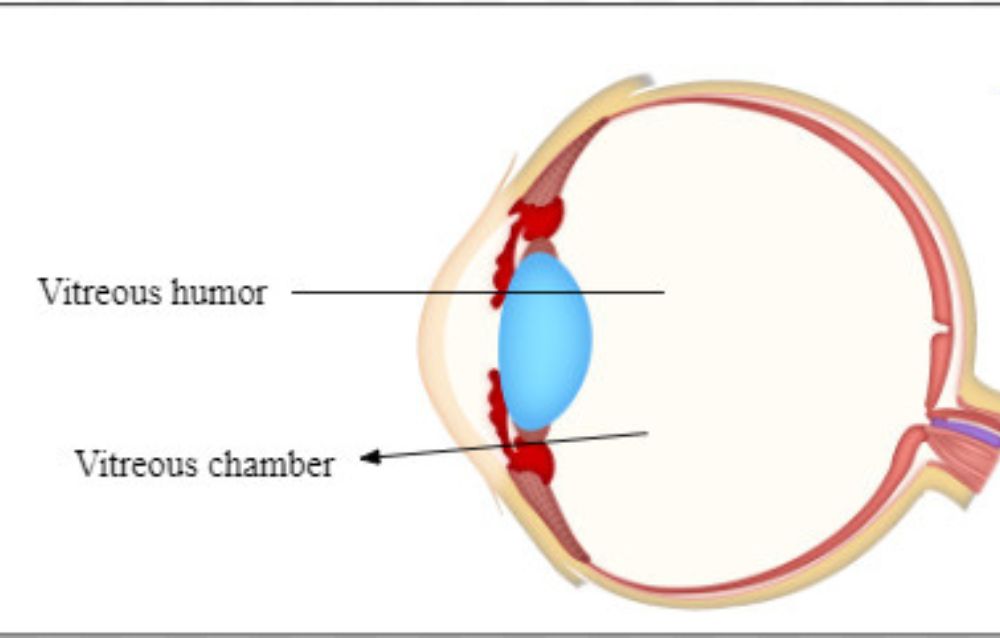
The human eye can be classified in three major ways:
- Layer-based classification
- Chamber-based classification
- Functional classification
Each classification highlights a different aspect of how vision is created and maintained.
Understanding these classifications helps explain common questions such as:
- how much fps can the human eye see?
- how far can the human eye see?
These questions relate directly to how the Human Eye processes light, motion, and distance.
1. Layer-Based Classification of the Human Eye
The eye consists of three main layers, each with a unique structure and function.
Fibrous Layer (Outer Layer)
Components:
- Cornea
- Sclera
Functions:
- Maintains the shape of the eye
- Protects internal eye structures
- Initiates light entry and focusing
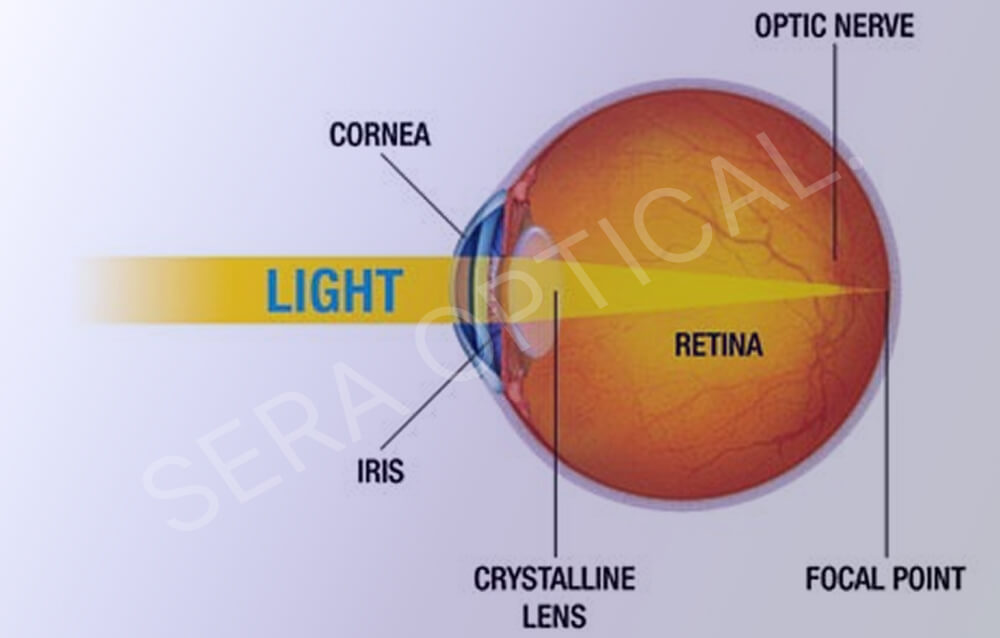
The cornea is the transparent front surface of the eye that allows light to enter and begins the focusing process. The sclera, commonly known as the white part of the eye, provides structural support and protection.
🔍 At SERA Optical, precise corneal measurements are essential for accurate lens fitting and visual comfort.
The transparency and curvature of the cornea directly influence clarity and refractive accuracy.
Vascular Layer (Middle Layer)
Components:
- Iris
- Ciliary Body
- Choroid
Functions:
- Supplies blood and nutrients
- Controls light entry
- Adjusts lens focus
The iris controls pupil size and regulates the amount of light entering the eye. The ciliary body adjusts the lens for near and distant vision, while the choroid nourishes the retina with oxygen and nutrients.
⚠ Damage to this layer can severely affect vision due to reduced blood supply.
This layer is essential for adapting to brightness changes and maintaining retinal health.
Neural Layer (Inner Layer)
Component:
- Retina
Function:
- Converts light into electrical signals sent to the brain
The retina contains photoreceptor cells (rods and cones) that transform light into nerve impulses. These signals travel through the optic nerve to the brain, where images are formed.
🧠 Damage to the neural layer can cause permanent vision loss if not detected early.
This neural processing directly connects to a common curiosity: how much fps can the human eye see?
While the eye does not technically see in “frames per second” like a camera, studies suggest that the Human Eye can detect motion changes at rates higher than 60 fps, especially under ideal lighting conditions. Motion perception depends on light sensitivity, neural processing speed, and contrast detection.
2. Chamber-Based Classification of the Eye
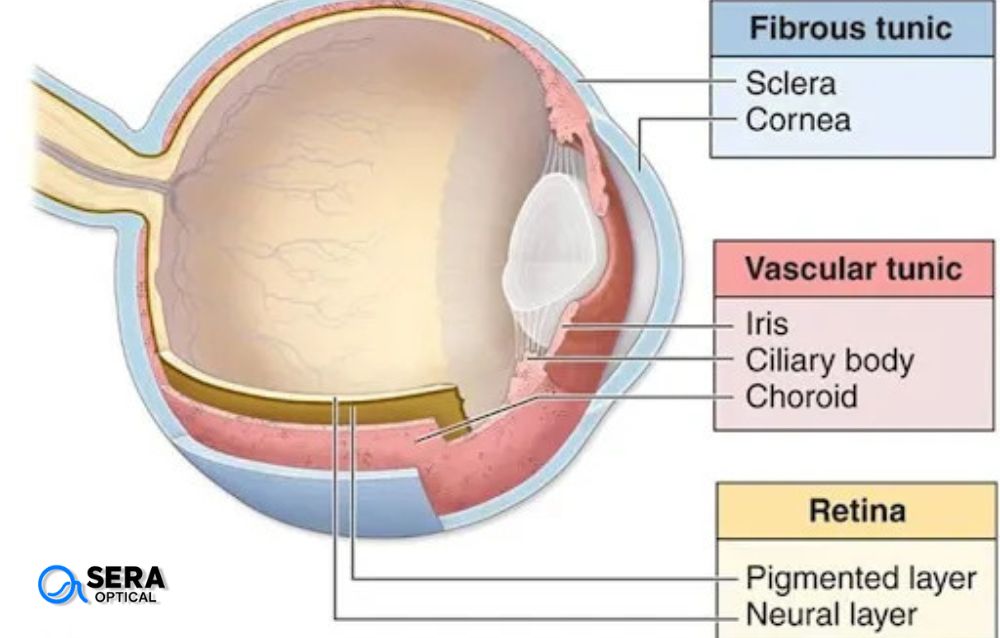
The eye also contains three fluid-filled chambers, which help maintain eye pressure, shape, and optical clarity.
Anterior Chamber
Location: Between the cornea and iris
Fluid: Aqueous humor
Function:
- Maintains intraocular pressure
- Nourishes cornea and lens
Posterior Chamber
Location: Between the iris and lens
Fluid: Aqueous humor
Function:
- Supplies nutrients
- Supports lens health
Vitreous Chamber
Location: Between the lens and retina
Fluid: Vitreous humor
Function:
- Maintains eye shape
- Helps light reach the retina
Proper fluid balance in these chambers prevents glaucoma and maintains stable vision.
3. Functional Classification of Eye Components
The eye can also be classified based on functional roles.
Protective Structures
- Sclera
- Cornea
- Eyelids
✔ Protect the eye from dust, injury, and environmental hazards
Light Regulation
- Iris
- Pupil
✔ Controls the amount of light entering the eye
Focusing System
- Lens
- Cornea
✔ Focuses light accurately onto the retina
Signal Conversion
- Retina
✔ Converts light into electrical signals
Signal Transmission
- Optic Nerve
✔ Sends visual signals to the brain
Eye Health Risks and Awareness
Understanding eye anatomy helps identify risks early:
- Fibrous layer damage can lead to corneal ulcers or infections
- Vascular layer damage may reduce blood supply, affecting vision
- Neural layer damage can cause irreversible blindness
Early diagnosis and professional eye care are critical.
Visual Capabilities of the Human Eye
Understanding the Human Eye also means exploring its limits and strengths.
How Far Can the Human Eye See?
A common question is: how far can the human eye see?
Under ideal conditions (clear atmosphere, no obstacles), the human eye can see objects several miles away. Technically, distance visibility depends on:
- Earth’s curvature
- Height of the observer
- Atmospheric clarity
- Light conditions
For example, from a high mountain or tall building, the Human Eye can see tens of kilometers into the horizon.
Motion and Frame Perception
Many people ask: how much fps can the human eye see?
The answer varies depending on brightness and contrast. The brain processes visual information continuously rather than in frames. However, humans can detect flicker beyond 60 Hz, and in some conditions, even higher frequencies are noticeable.
This demonstrates how advanced and sensitive the Human Eye truly is.
Eye Health Risks and Awareness
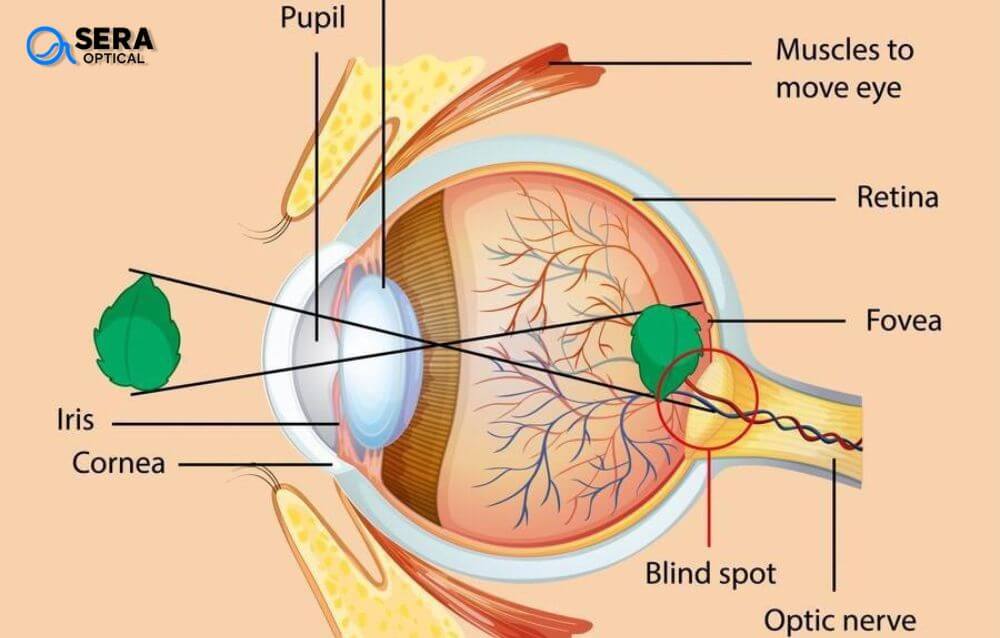
Understanding eye anatomy helps identify risks early:
- Fibrous layer damage can lead to corneal ulcers or infections
- Vascular layer damage may reduce blood supply, affecting vision
- Neural layer damage can cause irreversible blindness
Early diagnosis and professional eye care are critical.
Modern lifestyles increase risks through:
- Excessive screen time
- UV exposure
- Poor nutrition
- Lack of regular eye examinations
Essential Eye Care Tips from SERA Optical
To maintain healthy vision:
- Schedule regular eye examinations
- Use UV-protected lenses to block harmful rays
- Maintain a balanced diet rich in:
- Vitamin A
- Vitamin C
- Vitamin E
- Omega-3 fatty acids
- Avoid eye injuries and excessive eye strain
👓 At SERA Optical, we provide professional eye testing, accurate prescriptions, premium lenses, and expert guidance for long-term eye care.
Why Choose SERA Optical?
- Advanced eye examination technology
- Expert lens fitting and frame adjustment
- High-quality lenses for clarity and comfort
- Trusted professional optical care
Your eyes deserve precision, protection, and professional care—not compromise.
Conclusion
The human eye is a finely tuned organ where every layer, chamber, and structure plays a vital role. Proper knowledge, regular checkups, and quality optical solutions are essential for preserving vision throughout life.
Visit SERA Optical today and experience expert eye care designed for clarity, comfort, and confidence.