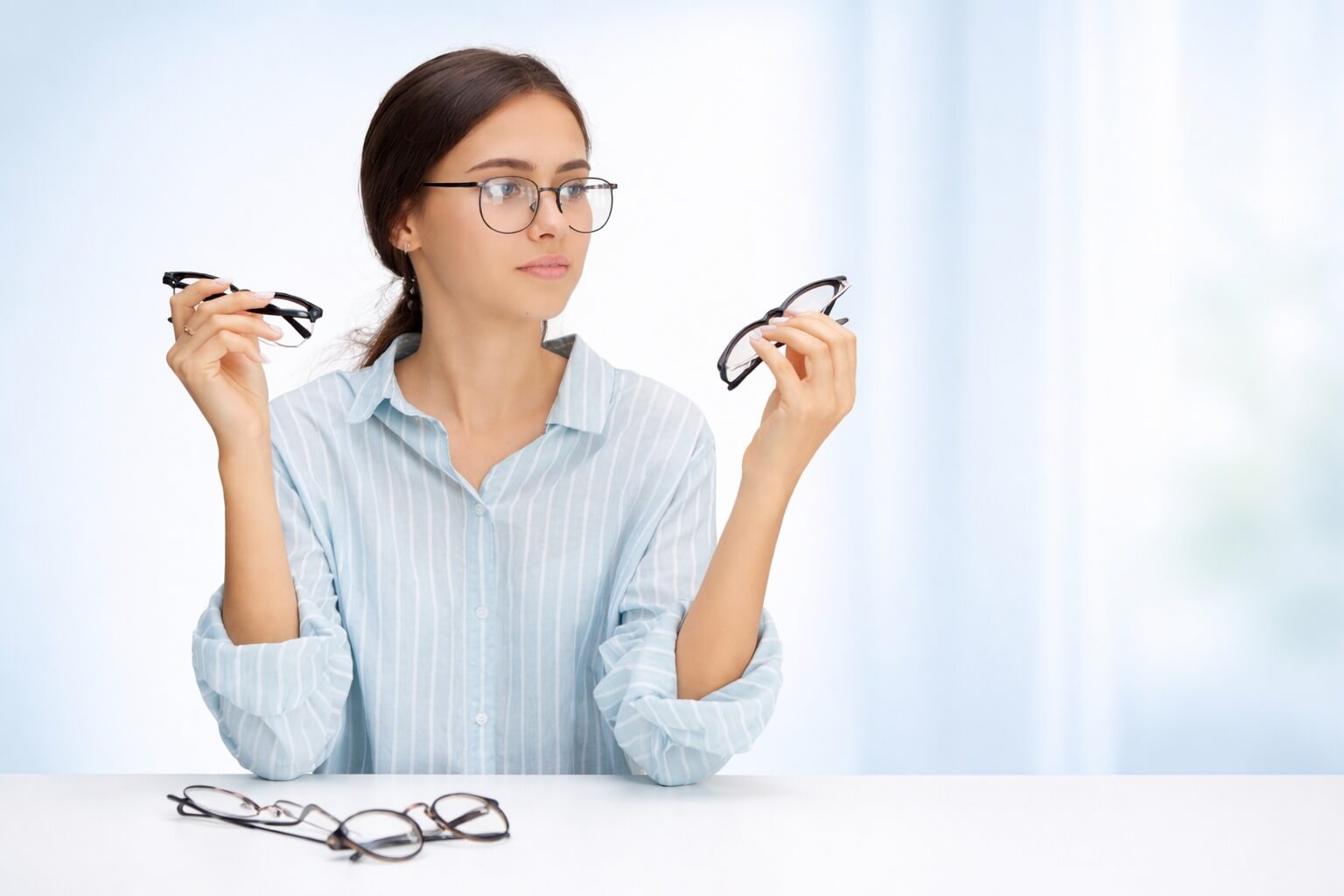
In modern society, fashion and technology products such as clothing, shoes, smartphones, and watches are widely perceived as symbols of status and success. Consumers often invest heavily in these visible accessories to reflect prestige, social standing, and personal style. However, eyeglasses and optical lenses—despite their direct connection to health, productivity, and quality of life—are frequently neglected or undervalued.
In many developed countries, optical retailers like eyeglass world eyeglass world promote eyewear not only as a vision correction tool but also as an essential lifestyle product that combines health, comfort, and style. Unfortunately, in Bangladesh the perception is still different. Eyeglasses are often treated as a basic necessity rather than an investment in long-term eye health.
This neglect has serious consequences. Poor-quality eyewear contributes to eye strain, frequent headaches, blurred vision, and long-term visual complications. According to estimates, more than 6 million people in Bangladesh suffer from visual impairment, and a large percentage of these cases could be prevented with proper eye examinations and high-quality lenses.
Many eyewear users also struggle with lens maintenance and frequently search for solutions, such as how to get scratches out of eyeglasses when their lenses become damaged. This reflects the importance of choosing durable lenses with proper protective coatings to ensure long-term usability and eye comfort.
Social Perception of Eyewear in Bangladesh
1. Status-Driven Consumption
In Bangladeshi society, luxury items such as branded smartphones, designer clothes, watches, and shoes often receive the highest priority in personal spending. These items are visible and socially recognized as indicators of success.
Eyeglasses, however, are typically considered purely functional. Most people purchase them only when absolutely necessary, often choosing the cheapest option available rather than considering quality, durability, and visual comfort.
2. Neglect of Lens Quality
Another common misconception among consumers is that all lenses are identical. Because of this belief, people often select low-cost lenses without evaluating important features such as:
- UV protection
- Anti-reflective coatings
- Blue light protection for digital screens
- Scratch-resistant coatings
- Durable lens materials
The absence of these features leads to discomfort and potential long-term damage to eye health.
Consumers who use glasses daily frequently encounter problems such as scratches on lenses. As a result, many people search online for practical solutions like how do i get scratches out of eyeglasses, highlighting the need for higher-quality lenses that are resistant to everyday wear and tear.
3. Cultural Mindset
In global fashion culture, sunglasses and premium eyewear brands are often considered stylish accessories. However, prescription glasses rarely receive the same recognition in Bangladesh.
A lack of awareness about modern lens technology—such as digital protection lenses, progressive lenses, and anti-fatigue lenses—contributes to the perception that eyewear is secondary or unimportant.
Similarly, the adoption of contact lenses is still relatively limited. Many people are unfamiliar with the basic steps of lens usage and hygiene, including How to put on your contact lenses safely and How to remove contact lenses without damaging the eyes.
Consequences of Eyewear Neglect

Health Impact
Low-quality lenses can lead to multiple vision-related health problems. Continuous use of poorly manufactured or incorrect lenses may cause:
- Eye strain
- Headaches
- Blurred vision
- Dry or irritated eyes
- Difficulty focusing
Over time, improper vision correction can worsen refractive errors and negatively affect overall eye health.
Educational and Workplace Productivity Loss
Vision plays a crucial role in learning and professional performance. Students with poor vision may struggle to read classroom materials, focus on screens, or complete academic tasks effectively.
Similarly, professionals who spend long hours using computers often experience digital eye strain. Without proper lenses that include blue-light protection or anti-reflective coatings, productivity and concentration can decrease significantly.
Economic Burden
While low-cost lenses may appear affordable initially, they often lead to higher long-term costs due to frequent replacements and eye-related problems.
Investing in high-quality eyewear ensures durability, comfort, and long-term value. Many people also research alternatives like contact lenses and ask questions such as How much do contact lenses cost or How much are contact lenses before choosing the best vision correction option.
Understanding the true cost of eyewear is important, because both glasses and contact lenses should be selected based on eye health needs rather than price alone.
A Comparative Perspective: Bangladesh vs. Developed Countries
In developed countries, eyeglasses are treated as essential health products rather than optional accessories.
Consumers actively invest in advanced lens technologies such as:
- Anti-reflective lenses
- UV protection lenses
- Blue light filtering lenses
- Digital device protection lenses
- High-precision prescription lenses
In addition, people regularly learn proper contact lens care routines, including How to put on your contact lenses correctly and How to remove contact lenses safely to prevent infections or eye irritation.
Many individuals also explore modern vision solutions like What are progressive lenses, which provide seamless vision correction for both near and distant viewing without the need for multiple pairs of glasses.
The Essilor 2.5 NVG Eye Mitra Project in Bangladesh
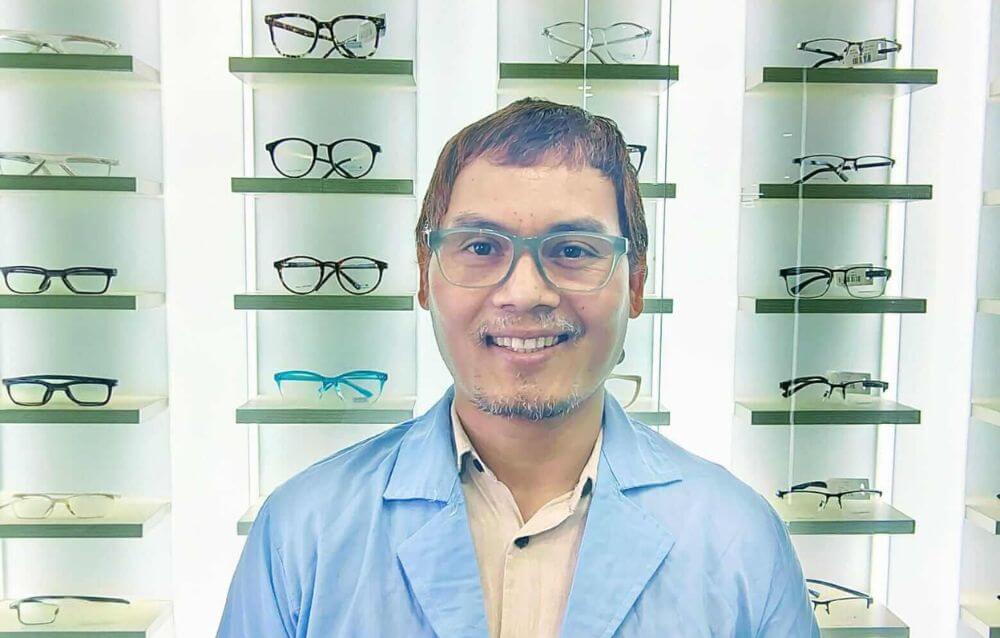
The Essilor 2.5 New Vision Generation (NVG) Eye Mitra Project is an important initiative designed to improve access to affordable eye care in rural Bangladesh.
Through this project, local youth are trained as “Eye Mitra,” meaning “friends of the eye.” These trained individuals perform basic vision screenings and distribute affordable eyeglasses within their communities.
This innovative program delivers several benefits:
- Improved eye health for rural populations
- Reduced cases of preventable vision impairment
- Job opportunities for young entrepreneurs
- Increased productivity for students and workers
- Stronger community health systems
The Eye Mitra initiative demonstrates that eyeglasses are not merely fashion accessories—they are essential healthcare tools that significantly improve quality of life.
Growing Awareness and Market Shifts
Awareness about quality eyewear is slowly increasing, particularly in urban areas such as Dhaka and Gulshan, where premium brands like ZEISS Vision Care are entering the market.
However, rural areas still face significant challenges:
- Limited access to professional eye care
- Financial constraints
- Lack of awareness
As a result, many people continue to live with untreated or preventable vision loss.
The Role of Awareness and Policy Initiatives
Awareness Campaigns
- School-based and workplace eye health programs
- Public messaging emphasizing that “Glasses are not just fashion—they protect your vision.”
Role of Opticians
- Educating customers about lens features and benefits
- Offering transparent pricing, warranties, and after-sales support
Policy and NGO Initiatives
- Expansion of affordable eye care services
- Partnerships with global vision care organizations
- Community-level screening and intervention programs
Fashion vs. Eyewear in Bangladesh: A Comparison
| Item | Social Value | Health Value | Consumer Priority | Long-term Impact |
|---|---|---|---|---|
| Clothes | High | Low | Very High | Prestige only |
| Shoes | High | Low | High | Prestige only |
| Mobile Phones | Very High | Low | Very High | Tech status |
| Watches | High | Low | High | Prestige only |
| Eyeglasses | Low | Very High | Low | Vision health |
| Lenses | Neglected | Very High | Very Low | Productivity & eye safety |
Conclusion
Bangladeshi society continues to invest heavily in fashion and technology products while overlooking the importance of quality eyewear. Despite the fact that millions of people suffer from preventable vision problems, eyeglasses and lenses are still not prioritized as essential health investments.
Increasing awareness about modern optical technologies, including progressive lenses and contact lenses, can help shift this mindset. People must understand topics such as What are progressive lenses, How much do contact lenses cost, and How to remove contact lenses to make informed decisions about their vision care.
Ultimately, prioritizing high-quality eyewear is not a luxury—it is a necessity. By treating eyeglasses as a health investment rather than a simple accessory, Bangladesh can improve public health, productivity, and quality of life for millions of people.