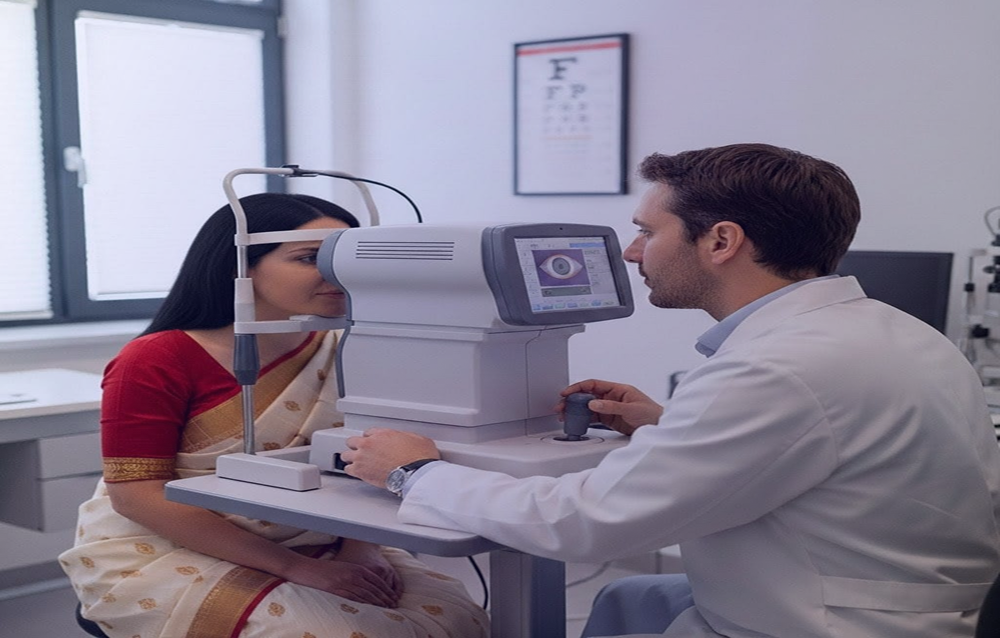
Ensure healthy vision with regular eye exams and accurate prescriptions. Protect eye health, improve clarity, and prevent future issues.
Healthy eyesight is essential for a comfortable and productive life, yet many people ignore eye care until problems become severe. Regular eye examinations and using the correct prescription are two of the most important steps in protecting your vision. Neglecting either can lead to eye strain, headaches, and long-term vision issues. This blog explains why routine eye check-ups and accurate prescriptions matter for everyone.
Why Regular Eye Examinations Are Essential
Eye problems often develop slowly and without noticeable symptoms. A regular eye examination helps detect issues early—before they affect your daily life.
How Often Should You Get Your Eyes Checked?
Eye care professionals recommend visiting an eye specialist at least once a year, even if you feel your vision is normal. Regular check-ups help monitor changes in your eyesight and ensure your eyes remain healthy.
Benefits of Regular Eye Exams
- Early detection of vision problems: Conditions like myopia, hyperopia, and astigmatism can worsen if left untreated.
- Prevention of serious eye diseases: Regular exams can help detect glaucoma, cataracts, and retinal issues at an early stage.
- Updated vision correction: Your eye power can change over time, and routine exams ensure your prescription stays accurate.
- Overall eye health monitoring: Eye exams can reveal signs of diabetes, high blood pressure, and other health conditions.
The Importance of Correct Prescription Glasses
Wearing glasses with the wrong power can cause more harm than good. An incorrect prescription forces your eyes to work harder, leading to discomfort and reduced visual clarity.
Problems Caused by Wrong Prescription
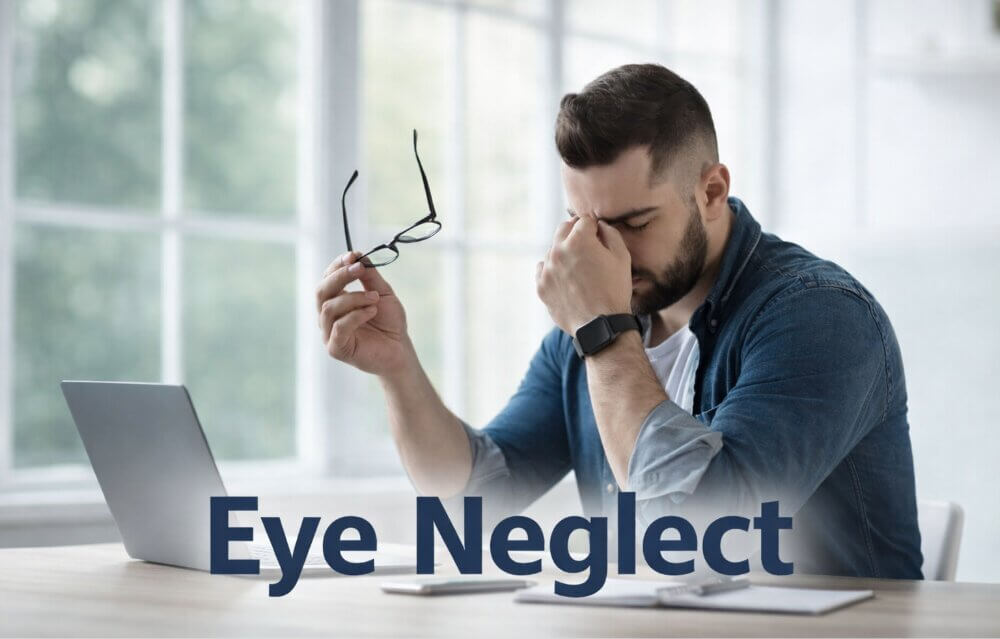
- Eye strain and fatigue: Your eyes struggle to focus, especially during reading or screen use.
- Frequent headaches: Incorrect lens power can trigger persistent headaches.
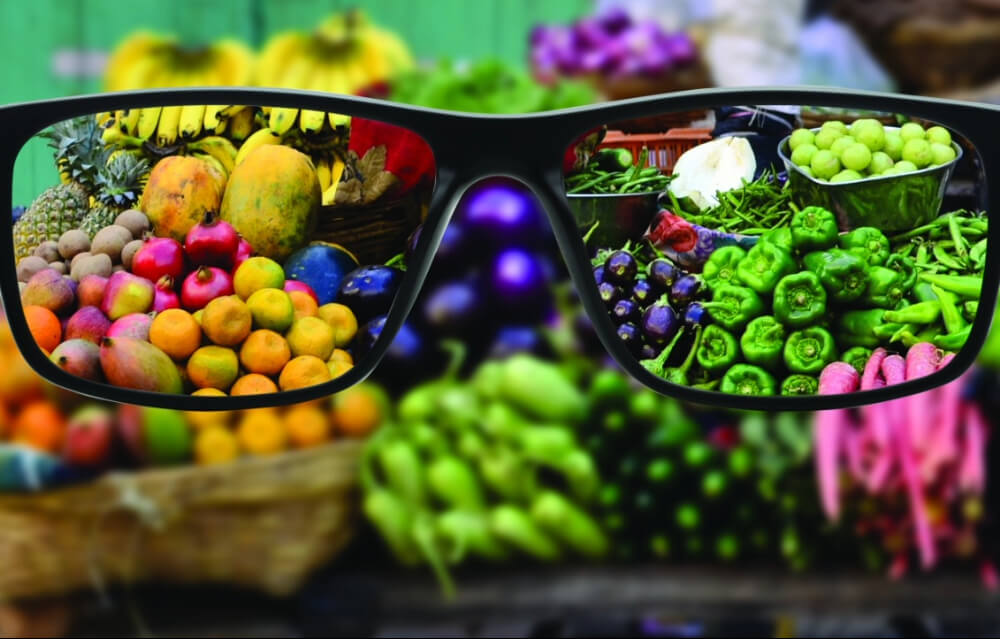
- Blurred or distorted vision: Objects may appear unclear or uncomfortable to focus on.
- Reduced productivity: Poor vision affects work efficiency and daily activities.
Using the correct prescription ensures your eyes remain relaxed and your vision stays sharp throughout the day.
Signs You May Need an Eye Check-Up
Do not wait for severe discomfort. If you experience any of the following symptoms, it may be time to visit an eye specialist:
- Frequent headaches
- Blurry or double vision
- Difficulty focusing on screens or reading
- Eye pain or irritation
- Squinting to see clearly
Early attention can prevent minor issues from becoming major problems.
Eye Care in the Digital Age
With increased screen time from smartphones, computers, and tablets, eye strain has become more common. Regular eye exams help assess how digital device use affects your vision and whether you need special lenses such as blue light filtering glasses.
Eye specialists can also guide you on healthy screen habits, proper lighting, and eye exercises to reduce digital eye strain.
Eye Exams vs. Skipping Exams
| Aspect | With Regular Exams | Without Exams |
|---|---|---|
| Vision clarity | Accurate prescription | Blurred vision, headaches |
| Disease detection | Early diagnosis, better outcomes | Late detection, irreversible damage |
| Overall health insights | Detects diabetes, hypertension, stroke risk | Hidden systemic issues |
| Children’s development | Early correction improves learning | Risk of poor academic performance |
| Long-term eye health | Preserves vision | Higher risk of blindness |
Why Annual Eye Exams Matter for All Ages
- Children: Regular eye exams support healthy vision development and academic performance.
- Adults: Routine checks ensure stable vision and prevent work-related eye strain.
- Seniors: Early detection of age-related eye conditions helps maintain independence and quality of life.
Regardless of age, eye examinations are a lifelong necessity.
Final Thoughts
Regular eye examinations and wearing the correct prescription glasses are essential for maintaining clear, comfortable, and healthy vision. Visiting an eye specialist at least once a year helps detect problems early, prevents eye strain, and protects your long-term eyesight.
Do not compromise when it comes to your vision. For professional eye examinations, accurate prescriptions, and trusted optical solutions, visit Sera Optical—your reliable partner in eye care and clear vision.
Authoritative Sources
American Academy of Ophthalmology (AAO): Regular eye exams detect glaucoma, cataracts, macular degeneration, and diabetic retinopathy early, often before symptoms appear.
Centers for Disease Control and Prevention (CDC): Eye exams can reveal systemic health issues such as diabetes and high blood pressure, making them vital for overall wellness.
American Optometric Association (AOA): Children benefit from early exams to detect amblyopia (lazy eye) and other vision problems that affect learning and development.
National Eye Institute (NEI): Accurate prescriptions reduce eye strain, headaches, and blurred vision, improving quality of life and productivity.
World Health Organization (WHO): Preventive eye care reduces the global burden of avoidable blindness, with early detection being the most effective strategy.