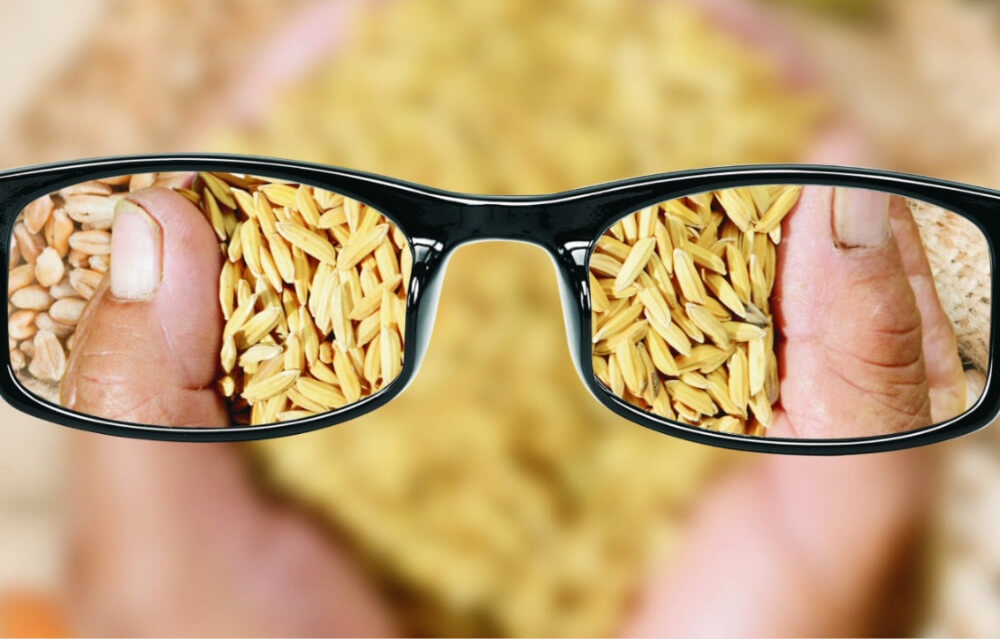
Many people still believe that wearing glasses makes eye power increase. These misconceptions has discouraged countless individuals from using glasses when they actually need them. In reality, glasses are not harmful to your eyes—they are essential tools that help you see clearly, reduce eye strain, and protect long-term vision.
Before understanding this topic deeply, it is important to understand what a misconception means and why such beliefs become popular.
What Does Misconception Mean?
To define misconception, it is simply a belief or idea that many people accept as true even though it is actually incorrect. In other words, the misconception definition refers to a misunderstanding or false interpretation of a fact.
When we ask what is a common misconception, we are referring to a belief that many people share but which does not match scientific truth.
In the field of eye care, there are many Misconceptions that influence people’s decisions about vision health. One of the most common misconceptions is that wearing glasses causes eyesight to worsen.
The Truth About Glasses and Eye Power
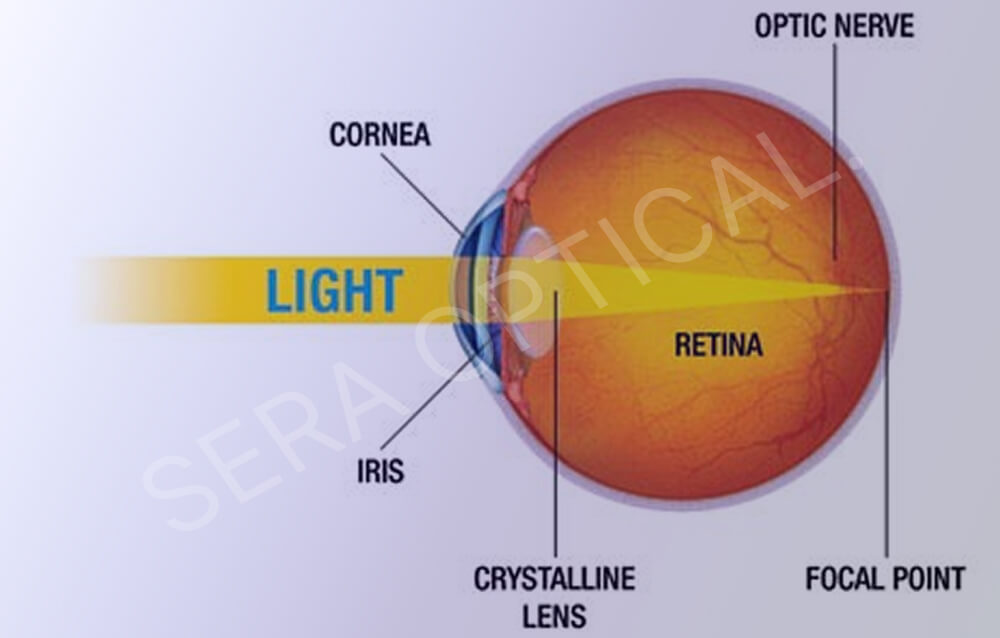
Wearing glasses does not increase eye power. Instead, glasses correct the way light enters your eyes so that images focus properly on the retina. Changes in eye power happen naturally due to age, genetics, lifestyle, health conditions, and environmental factors—not because of glasses.
Understanding what common misconceptions about glasses are helps people make better decisions about their eye health. Many individuals delay wearing glasses because they believe that once they start wearing them, their vision will continue to deteriorate. This belief is simply another example of a widespread misconception.
The Common Misconception: “Wearing Glasses Increases Eye Power”
This is one of the most widespread myths about vision care.
Reality
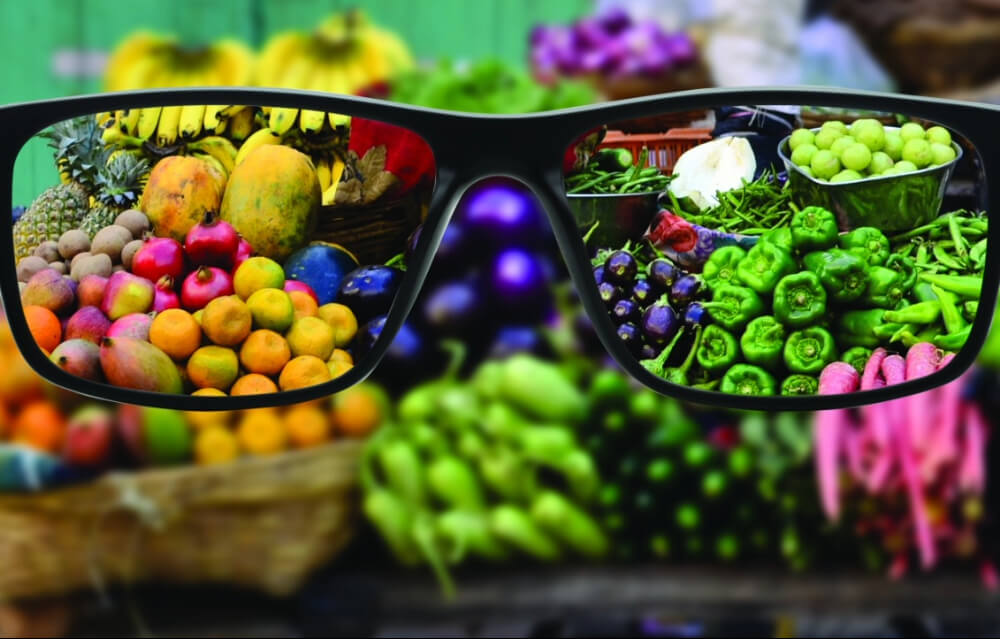
Glasses do not increase eye power. They simply compensate for existing refractive errors such as myopia (short-sightedness), hyperopia (long-sightedness), or astigmatism. By correcting focus, glasses reduce unnecessary stress on the eyes.
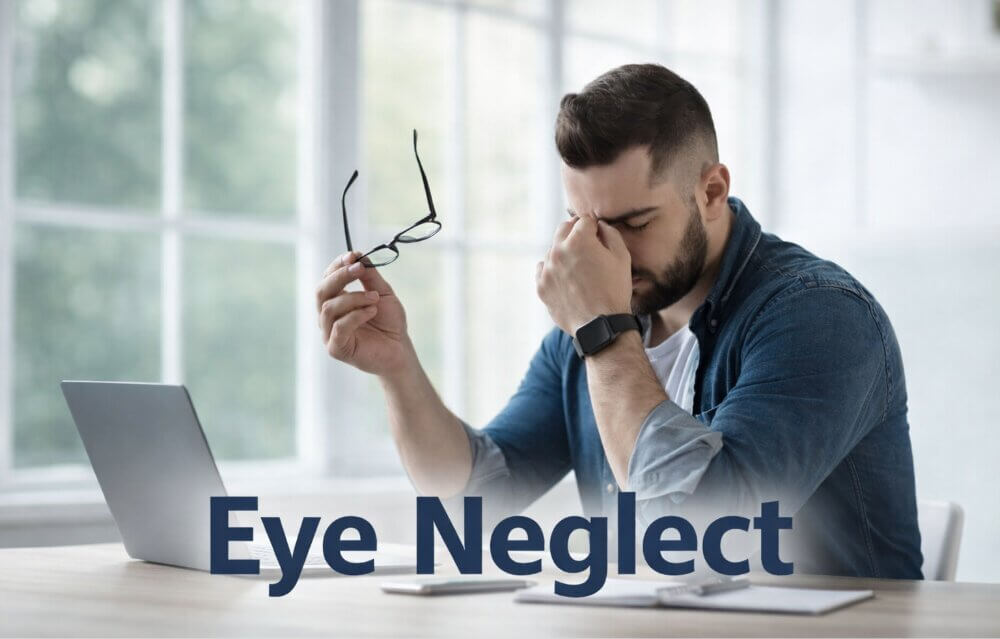
In fact, not wearing glasses when they are needed can worsen eye strain, leading to headaches, blurred vision, and fatigue.
This misunderstanding clearly demonstrates what is a common misconception in everyday health knowledge. Many people confuse natural changes in eyesight with the effect of wearing glasses.
Why Does This Misconception Exist?
Several factors contribute to this misunderstanding:
Natural power changes over time: Vision can change gradually. When people start wearing glasses and later notice blurred vision, they often blame the glasses instead of natural eye changes.
Lack of regular eye check-ups: Without routine eye examinations, people may not realize that vision changes are normal and unrelated to glasses.
Irregular use of glasses: Some people avoid wearing glasses consistently, causing eye strain. When power increases later, they mistakenly think the glasses caused it.
These situations illustrate how Misconceptions can easily spread when people do not have access to accurate information.
The Scientific Truth About Glasses
Modern eye care science is very clear on this topic:
Eye power changes due to age, genetics, prolonged screen time, poor lighting, lifestyle habits, and certain health conditions.
Glasses do not change the physical structure of the eye.
Glasses only help light focus correctly on the retina, improving clarity and comfort.
Avoiding prescribed glasses can force the eyes to overwork, which may contribute to faster vision deterioration.
Understanding the misconception definition helps people realize that incorrect beliefs can sometimes prevent them from taking proper care of their health.
How Glasses Actually Protect Your Eyes
Wearing the correct prescription glasses provides multiple benefits:
Reduces eye strain and fatigue
Prevents headaches and blurred vision
Improves concentration and work efficiency
Enhances overall quality of life
When people understand what are common misconceptions about vision care, they become more confident in wearing glasses and maintaining eye health.
For Children
Glasses are especially important for children. Not wearing prescribed glasses during childhood can lead to:
Poor visual development
Learning difficulties
Squint or lazy eye (amblyopia)
Early correction supports healthy eye development and long-term vision stability.
Parents should also understand that avoiding glasses due to fear or misunderstanding is another example of a common misconception in eye health awareness.
For Adults
For adults, glasses help manage daily visual stress caused by screens, driving, reading, and work environments. They prevent unnecessary strain and support comfortable vision throughout the day.
Understanding what does misconception mean helps adults separate myths from facts and make informed decisions about their vision care.
Common Myths vs. Reality
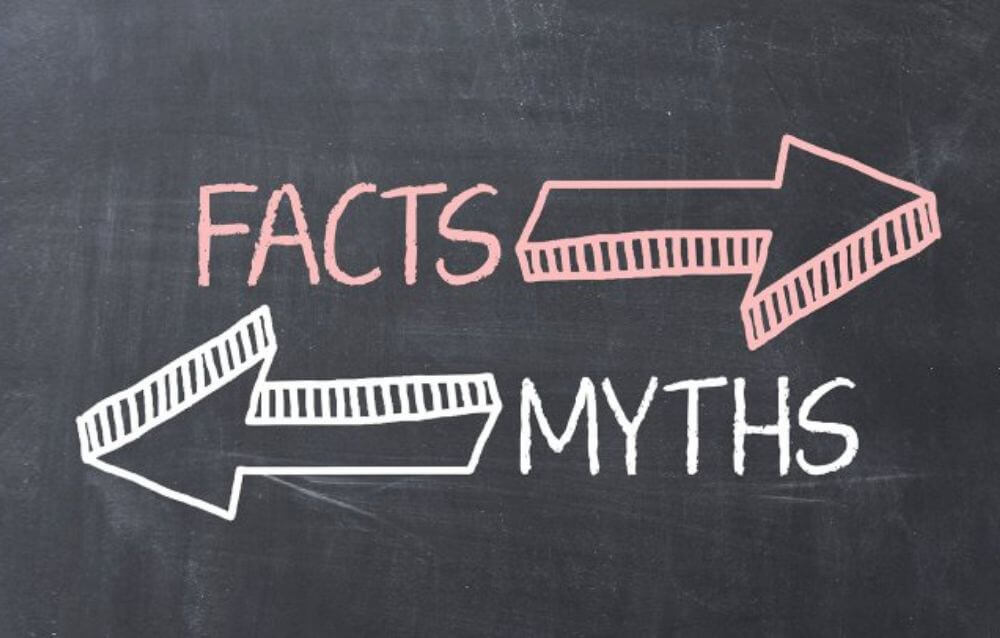
Myth: Glasses increase eye power
Reality: Glasses help you see properly and reduce strain
Myth: Glasses make you look weak or unattractive
Reality: Glasses represent awareness, intelligence, and self-care
Myth: Children should avoid wearing glasses
Reality: Glasses are vital for healthy eye development in children
These examples clearly show what is a common misconception and how easily false beliefs can influence people’s decisions.
The Bottom Line
Glasses are not a weakness—they are a tool of clarity, comfort, and confidence. Choosing to wear glasses means choosing eye health, awareness, and long-term vision protection.
Eye power changes naturally over time, but avoiding glasses when they are needed can cause more harm than good. Trust science, get regular eye check-ups, and wear your glasses with confidence.
Clear vision is not about avoiding glasses—it’s about caring for your eyes.
Understanding what are common misconceptions, learning to define misconception, and knowing the correct misconception definition can help people avoid false beliefs and make better choices for their eye health.
Clear vision is not about avoiding glasses—it’s about caring for your eyes.